
10000mAh vs 20000mAh Power Bank: Which Should You Choose?
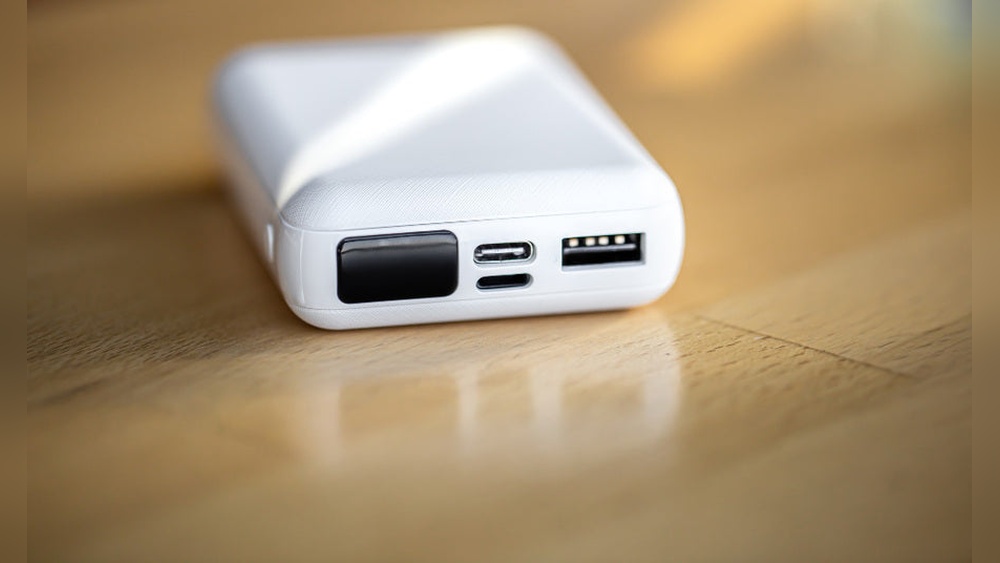
Choosing the right power bank can make a big difference in your daily life. Whether you need to keep your phone charged during a long trip, or you want a backup for emergencies, the choice between a 10000mAh and a 20000mAh power bank is not always easy. Both have their own strengths and weaknesses. Many people buy a power bank without understanding what “mAh” really means, or how much power they actually need. This guide gives you a clear, practical look at both options, so you can decide which one fits your needs best. You’ll get answers to the most common questions, discover things beginners often miss, and get real-world examples that make the differences obvious.
What Does Mah Mean And Why Does It Matter?
Before you compare, it’s important to understand what mAh stands for. mAh means milliampere-hour, and it shows the battery capacity. A higher mAh number means the power bank can store more energy. For example, a 10000mAh power bank can give less energy than a 20000mAh power bank before needing to recharge itself.
But there’s more to the story. Not all the energy in the power bank goes directly to your device. Some energy is lost as heat and through the electronics inside. Usually, about 70% of the listed capacity is what you can really use.
That means a 10000mAh power bank often gives about 7000mAh of actual charging, and a 20000mAh power bank gives about 14000mAh.
Who Should Buy A 10000mah Power Bank?
The 10000mAh power bank is one of the most popular choices for everyday users. It’s light, easy to carry, and charges your phone one to two times. This makes it perfect for:
- Commuters who need a quick top-up during the day.
- Students who spend long hours at school or university.
- Travelers who want something small in their bag.
If you use your phone mostly for calls, messages, and some social media, a 10000mAh power bank could be enough.
Advantages Of 10000mah Power Banks
1. Lightweight And Portable
Most 10000mAh models weigh between 180-250 grams. You can easily put one in your pocket or a small bag.
2. Faster To Recharge
They usually take 3-5 hours to recharge fully, depending on the input speed.
3. Affordable Price
They are often cheaper than 20000mAh models, with prices starting from $10-$25 for good brands.
4. Allowed In Flights
All airlines allow power banks up to 100Wh, and 10000mAh is well below this, so you rarely have problems at airport security.
Disadvantages Of 10000mah Power Banks
1. Limited Charges
You can charge a modern smartphone (with a 4000-5000mAh battery) only 1. 5 to 2 times. If you have a tablet or two devices, it may not last all day.
2. Not Ideal For Multiple Devices
If you want to charge a phone and a Bluetooth headset, or share power with friends, 10000mAh might not be enough.
Who Should Buy A 20000mah Power Bank?
A 20000mAh power bank is like a portable powerhouse. If you travel a lot, use your phone for heavy tasks, or need to charge more than one device, this is a better choice. It’s also useful for outdoor activities like camping, hiking, or festivals where you won’t find a plug for days.
- Business travelers who are always on the go.
- Families who need to charge multiple devices.
- Gadget lovers with tablets, phones, wireless earbuds, and smartwatches.
Advantages Of 20000mah Power Banks
1. More Charges
You can charge a phone 3-5 times, or a tablet 2-3 times, before the power bank runs out.
2. Supports Multiple Devices
Most 20000mAh models have 2-4 output ports, so you can charge your phone, tablet, and other gadgets at the same time.
3. Useful For Emergencies
If you lose power at home, a 20000mAh power bank can keep your phone running for days.
4. Ideal For Long Trips
Perfect for camping, road trips, or flights longer than 10 hours.
Disadvantages Of 20000mah Power Banks
1. Heavier And Bulkier
They usually weigh 350-500 grams. Carrying one in your pocket is not comfortable.
2. Slower To Recharge
A 20000mAh power bank can take 8-12 hours to recharge, unless it supports fast input charging.
3. Higher Price
Good brands start at $30, and advanced models can cost $50 or more.
4. Airline Limits
While most 20000mAh power banks are allowed on flights, some can be close to the 100Wh limit. It’s important to check the label and airline rules.
Real-world Usage: How Many Charges Can You Expect?
To make things clear, let’s see how many times each power bank can charge different devices. Remember, the real number is always less than the mAh printed on the box.
| Device | Battery Size (mAh) | 10000mAh Power Bank (Actual ~7000mAh) | 20000mAh Power Bank (Actual ~14000mAh) |
|---|---|---|---|
| iPhone 14 | 3279 | ~2 charges | ~4 charges |
| Samsung Galaxy S23 | 3900 | ~1.7 charges | ~3.5 charges |
| iPad Mini | 5124 | ~1.3 charges | ~2.7 charges |
| Wireless Earbuds | 500 | ~14 charges | ~28 charges |
This calculation uses average power bank efficiency (about 70%). The real number can change a bit depending on the brand and how you use your device while charging.
Key Features To Consider (beyond Mah)
Many buyers focus only on capacity, but other factors are just as important:
1. Output Ports And Speed
A power bank with more ports lets you charge many devices at the same time. Also, look for fast charging support (like PD, QC 3.0, or similar). Not all power banks deliver fast charging to all outputs.
2. Input Charging Speed
How fast can you recharge the power bank itself? If you pick a 20000mAh model, make sure it has a fast input (like USB-C PD). Otherwise, you might wait all night for it to refill.
3. Size And Weight
A big capacity means more weight. If you want something you can keep in your pocket, the 10000mAh is better.
4. Build Quality And Safety
Check for overcharge, overheat, and short-circuit protection. Good brands include these features. Also, a strong case can protect your power bank from drops.
5. Display And Indicators
Some power banks show exactly how much charge is left with a digital screen. Others use four small LED lights. A clear display makes it easier to plan.
6. Brand Reputation And Warranty
Reliable brands usually offer a 1-year warranty or more. Cheap, no-name power banks may fail quickly or not deliver the full mAh promised.
Comparing 10000mah And 20000mah Power Banks: Quick Facts
Let’s sum up the main differences. This will help if you want a fast answer.
| Feature | 10000mAh | 20000mAh |
|---|---|---|
| Portability | Fits in pocket, very light | Bigger, may need bag |
| Number of Charges | 1.5-2 for phone | 3-5 for phone |
| Recharge Time | 3-5 hours | 8-12 hours |
| Price Range | $10-$25 | $30-$60 |
| Flight Regulations | Always allowed | Check label; usually OK |
| Best For | Daily use, backup | Long trips, multiple devices |
Use Cases: Which One Fits Your Life?
It’s easy to get lost in numbers, but the best choice depends on how and where you use your power bank.
For Students And Office Workers
If your day is mostly indoors, and you have access to a plug at least once, a 10000mAh power bank is enough. It keeps your phone alive until you reach home.
For Travelers
If you travel internationally, a 20000mAh power bank is a smart choice. You can charge your phone, tablet, and maybe even a camera. You don’t need to search for outlets in airports or hotels.
For Outdoor Activities
Going camping, hiking, or to a music festival? A 20000mAh model is safer. It covers your phone, flashlight, and other small gear for several days.
For Emergency Preparedness
In places with power cuts or storms, a 20000mAh power bank is better. It can keep your phone working for days until power returns.
For Minimalists
If you hate carrying extra weight, and your phone battery is good, a 10000mAh power bank is the lightest solution.
Non-obvious Insights Most People Miss
Let’s look at two important points that many new buyers overlook:
1. Power Bank Efficiency Is Not 100%
Manufacturers advertise the full battery capacity, but energy is lost in the process. Real output is about 65-75% of the number on the box. This is due to the voltage change (from 3. 7V in the battery to 5V USB output), heat, and cable loss.
2. Not All Devices Accept Fast Charging
Even if your power bank has fast charging, your phone must also support it. Otherwise, you get standard charging speed. Check your device specs before paying extra for fast charging features.
Battery Health And Power Bank Size: Does It Matter?
Many people think a bigger power bank is always better, but that’s not true for everyone. Carrying extra weight every day for just one emergency is not practical. Also, charging your phone many times from a power bank does not damage your phone battery if you use good quality brands.
However, using cheap, unbranded power banks can be risky. They may deliver unstable voltage, which can harm your device over time. Always buy from trusted brands with good reviews.
How To Choose: Questions To Ask Yourself
Here are some questions to help you pick the right size:
1. How Many Devices Do You Charge Daily?
If only one, 10000mAh might be enough. For two or more, consider 20000mAh.
- How many charges do you need before finding a plug?
If you can plug in every day, 10000mAh is fine. If you go days without power, 20000mAh is safer.
3. Do You Care About Weight And Size?
If yes, choose the smaller one.
4. Do You Fly Often?
Smaller power banks pass airport checks with less trouble.
5. What’s Your Budget?
10000mAh is usually cheaper.
Common Mistakes When Buying A Power Bank
Avoid these errors that many people make:
1. Ignoring Real Capacity
Don’t expect a 10000mAh power bank to fully charge a 5000mAh phone twice. Actual output is lower.
2. Choosing The Biggest Size Always
A 20000mAh power bank is heavier and takes longer to recharge. Only buy it if you really need the extra power.
3. Overlooking Input Speed
Some large power banks have slow input. You don’t want to wait 12 hours for a recharge.
4. Buying From Unknown Brands
Cheap power banks can be unsafe and may not deliver the promised mAh.
5. Not Checking Device Compatibility
Make sure your cables and devices match the power bank’s output (USB-A, USB-C, Lightning, etc. ).
Price Comparison: What Do You Get For Your Money?
Let’s look at the price and what you can expect at each level:
- 10000mAh Power Banks
- $10-$15: Basic models, single output, plastic body, slow charging
- $15-$25: Fast charging, dual output, better brand, metal build
- 20000mAh Power Banks
- $30-$40: Reliable brand, multiple outputs, fast charging, LCD display
- $40-$60: Premium features, advanced safety, PD/QC 3.0, durable case
Cheaper models may work, but often have lower real capacity and may not last as long.
Airline Rules: Can You Carry Both On A Plane?
Most airlines follow the 100Wh rule for carry-on batteries. Here’s how you calculate watt-hours (Wh):
Wh = (mAh × V) / 1000
For a 10000mAh (3.7V):
(10000 × 3.7) / 1000 = 37wh
For a 20000mAh (3.7V):
(20000 × 3.7) / 1000 = 74wh
Both are below the 100Wh limit. But if your power bank is over 27000mAh, you may have problems. Always check the label and airline website.
For more information, you can visit the FAA’s official guide on batteries.
The Environmental Impact: Does Size Matter?
Larger power banks use more materials and may be harder to recycle. If you only need a small amount of backup power, choosing a 10000mAh model is better for the environment. If you buy a 20000mAh and don’t use it often, you waste resources.
Maintenance Tips For Long Life
No matter which size you choose, follow these tips to keep your power bank healthy:
- Charge it every 3 months if you don’t use it.
- Don’t leave it in hot places like a car dashboard.
- Use the original charging cable for best results.
- Unplug when fully charged to avoid overheating.
- Store at 50% charge if you won’t use it for a long time.
10000mah Vs 20000mah: Which One Is Best For You?
There’s no single answer for everyone. If you want the lightest, most portable solution for daily use, a 10000mAh power bank is perfect. If you travel, have many devices, or need power for days, a 20000mAh model is worth the weight.
Remember to look at real-world capacity, not just the number on the box. Think about your daily routine, how many devices you own, and where you use them. Don’t pay extra for features you won’t use, but don’t buy too small and regret it later.
Frequently Asked Questions
Can I Take A 20000mah Power Bank On A Plane?
Yes, most 20000mAh power banks are allowed in carry-on luggage. They are below the 100Wh limit. Always check the label on your power bank and your airline’s rules before traveling.
How Long Does It Take To Charge A 20000mah Power Bank?
It depends on the input speed. With a standard 10W charger, it can take 10-12 hours. If your power bank supports fast input (like 18W or higher), it may take only 6-8 hours.
Will A Bigger Power Bank Damage My Phone Battery?
No, as long as you use a good quality, certified power bank. The phone controls how much power it accepts. Avoid cheap, unbranded power banks as they may deliver unstable voltage.
Can I Charge A Laptop With A 10000mah Or 20000mah Power Bank?
Most 10000mAh power banks do not have enough output for laptops. Some 20000mAh models with USB-C PD (Power Delivery) can charge small laptops or tablets. Check your laptop’s power requirements and the power bank’s output rating.
Which Lasts Longer, A 10000mah Or 20000mah Power Bank?
A 20000mAh power bank lasts longer because it has double the capacity. But it also takes longer to recharge and is heavier to carry. Choose based on how much backup you need.
Choosing between a 10000mAh and 20000mAh power bank is about matching your needs with the right features. Think about where you go, what you do, and how many devices you rely on. A well-chosen power bank can be a lifesaver—so pick wisely, and enjoy the freedom of portable power wherever you are.